Your organization, much like a seasoned explorer navigating uncharted waters, constantly faces shifting currents and hidden depths. To not just survive but thrive, you need a reliable compass, a map that reveals both the well-trodden paths and the perilous reefs. This is precisely where understanding your Weaknesses, Strengths, and Counter-Strategies becomes not just a useful exercise, but the very fuel for management's most crucial strategic decisions. It’s about more than just identifying what you're good at or what holds you back; it's about transforming those insights into proactive, impactful moves that shape your future.
At its core, strategic management is the art of aligning internal capabilities with external realities. Ignore either, and you risk missing opportunities or succumbing to unforeseen threats. The most effective leaders don't just react to change; they anticipate it, using a deep understanding of their unique position to steer their organization towards enduring success.
At a Glance: Your Strategic Toolkit Essentials
- SWOT Analysis is Your Foundation: A powerful framework to assess your current market position.
- Strengths & Weaknesses are Internal: Focus on what you control within your organization.
- Opportunities & Threats are External: Look at the market, competition, and wider trends.
- Insights Demand Action: Don't just analyze; translate findings into concrete counter-strategies.
- It's Not a One-Time Fix: Regularly revisit your analysis as your environment evolves.
- Collaboration is Key: Gather diverse perspectives for a comprehensive and objective view.
Beyond Gut Feelings: The Strategic Compass of SWOT
For decades, the strategic planning tool known as SWOT Analysis has been the bedrock for organizations seeking clarity amidst complexity. It’s a systematic way to look both inward and outward, providing a holistic snapshot that informs everything from product launches to organizational restructuring. Far from a simple academic exercise, SWOT is indispensable for effective leadership, management, and overall business strategy, facilitating informed decision-making by evaluating internal and external factors.
Decoding the Acronym: Your Four Pillars of Insight
Let’s break down the components that give SWOT its power:
- Strengths: These are your organization's internal capabilities and resources that give you a competitive advantage. Think of them as your secret weapons, your core competencies, or your unwavering brand reputation. Perhaps it's a highly skilled workforce, proprietary technology, or an incredibly efficient distribution network. These are the aspects you leverage.
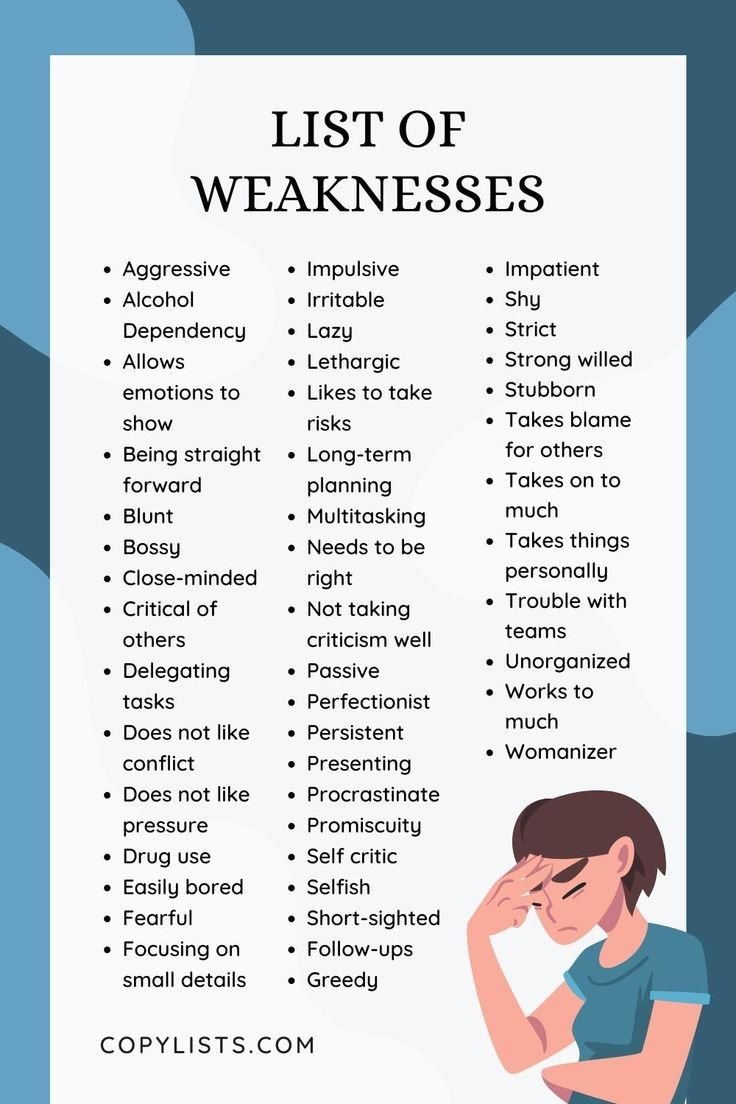
- Weaknesses: Conversely, these are your internal characteristics that place you at a disadvantage or areas where you are lacking. Maybe it’s outdated technology, limited financial resources, or inefficient internal processes. These are the areas that need improvement, mitigation, or careful navigation.
- Opportunities: Shifting gears to the external world, opportunities are favorable external factors or trends that your organization can leverage for growth and improvement. Consider market expansion, emerging technological advancements, potential strategic partnerships, or favorable regulatory changes. These are the open doors you can walk through.
- Threats: Finally, threats are external challenges or obstacles that could negatively impact your organization’s success. This might include increased competition, economic downturns, adverse legal or regulatory changes, or disruptions to your supply chain. These are the storm clouds on the horizon that you need to prepare for.
Peeling Back the Layers: Diving Deep into Strengths and Weaknesses
Understanding your internal landscape is the first, most critical step. This isn't about self-congratulation or self-criticism, but about honest assessment. What truly makes you stand out, and where are your foundational cracks?
Your Internal Lens: Strengths – The Engines of Your Success
Every organization has assets, tangible and intangible, that fuel its operations and market position. Identifying these strengths isn't just a feel-good exercise; it's about recognizing what you can amplify, what gives you leverage, and what forms the backbone of your competitive edge.
- Core Competencies: What do you do exceptionally well that others struggle to replicate? Is it innovation, customer service, or operational efficiency?
- Unique Resources: Do you possess proprietary technology, a patented process, or exclusive access to raw materials?
- Brand Reputation: Is your brand synonymous with quality, trust, or reliability in the eyes of your customers?
- Skilled Workforce: Do you have a team with specialized expertise, high morale, or exceptional problem-solving abilities?
- Strong Financial Position: A healthy balance sheet provides resilience and the capacity for investment.
Example: A software company's strength might be its highly innovative R&D team and a patent on a breakthrough AI algorithm, giving it a significant technological lead in the market.
Confronting Reality: Weaknesses – The Anchors That Hold You Back
Just as important as identifying strengths is honestly acknowledging your weaknesses. These are the internal characteristics that hinder performance, increase risk, or prevent you from capitalizing on opportunities. Overlooking them is akin to sailing with holes in your hull.
- Outdated Technology: Reliance on legacy systems can slow down operations and reduce competitiveness.
- Limited Resources: Insufficient capital, human resources, or infrastructure can restrict growth.
- Inefficient Processes: Bureaucracy, bottlenecks, or a lack of standardization can waste time and money.
- Capability Gaps: A lack of specific skills or expertise within the team might prevent you from pursuing new ventures.
- Weak Brand Recognition: In a crowded market, a nascent or unclear brand can struggle to attract customers.
Example: The same software company, despite its R&D prowess, might have a weakness in its marketing and sales department, struggling to translate its innovations into market share due to poor outreach.
The "Inside Job": Both strengths and weaknesses are fundamentally internal. They are within your sphere of direct influence and control. You can build on your strengths, and you can work to mitigate or eliminate your weaknesses. This distinction is crucial for developing actionable strategies.
Navigating the Horizon: Opportunities and Threats
Once you’ve taken a candid look inward, it’s time to cast your gaze outward. The external environment is a dynamic landscape, constantly presenting new avenues for growth and potential pitfalls. Strategic leaders are those who can read these external signals with foresight and clarity.
The World Outside: Opportunities – Pathways to Growth
Opportunities are external factors that, if capitalized upon, can significantly benefit your organization. They often arise from market shifts, technological advancements, or changing customer behaviors.
- Market Expansion: New demographics, geographic regions, or underserved niches.
- Technological Innovations: Emerging tools or platforms that can enhance your product, service, or operations.
- Strategic Partnerships: Collaborations with other entities that open new markets or capabilities.
- Regulatory Changes: New policies or loosened restrictions that create favorable conditions.
- Shifting Consumer Preferences: A growing demand for products or services you can provide.
Example: For our software company, an opportunity might be the rapid growth of cloud computing, allowing them to offer their AI solutions as a service, reaching a much broader customer base without significant infrastructure investment.
Potential Icebergs: Threats – Challenges to Overcome
Threats are external factors that pose a risk to your organization's success, stability, or growth. They are often beyond your direct control but require careful monitoring and proactive countermeasures.
- Increased Competition: New entrants, aggressive pricing, or innovative offerings from rivals.
- Economic Downturns: Recessions, inflation, or reduced consumer spending.
- Legal/Regulatory Changes: New laws, compliance requirements, or stricter industry standards.
- Supply Chain Disruptions: Global events, natural disasters, or geopolitical instability affecting resource availability.
- Shifting Customer Preferences: A sudden pivot in what customers want, leaving your current offerings obsolete.
Example: A significant threat to the software company could be a major competitor developing a similar, perhaps even superior, AI algorithm, or a sudden shift in data privacy regulations that impacts how their AI solution can be deployed.
The "External Forces": Opportunities and threats are external. While you can't control them directly, you can control your response to them. This involves strategic maneuvering, adaptation, and leveraging your internal strengths to navigate the external environment.
From Insight to Impact: Crafting Counter-Strategies That Win
An analysis is only as good as the action it inspires. The real power of understanding your Weaknesses, Strengths, and Counter-Strategies lies in synthesizing these insights into a tangible plan. This is where you move beyond diagnosis and into strategic decision-making.
The Action Imperative: Why Analysis Isn't Enough
Many organizations meticulously conduct SWOT analyses, only for the findings to gather dust in a presentation deck. The critical challenge is the "Failure to Translate Insights into Action." A static report offers no value; a dynamic action plan, however, can transform the trajectory of your business. The goal isn't just to identify; it's to develop a plan to leverage strengths for opportunities, counter threats, and address weaknesses effectively.
The Four Strategic Quadrants: Putting SWOT into Action
This is where the magic happens – combining your internal and external analyses to formulate clear strategic directions. Consider these four critical strategies:
- SO (Strengths-Opportunities) Strategy: Maximize and Grow.
- Goal: Use your internal strengths to capitalize on external opportunities.
- Focus: Aggressive growth, market leadership, expansion.
- Example: Our software company (strong R&D, patented AI) identifies the growing cloud computing market (opportunity). Their SO strategy would be to aggressively develop and market a cloud-based AI service, leveraging their tech advantage to capture a new, expanding market.
- WO (Weaknesses-Opportunities) Strategy: Improve to Leverage.
- Goal: Overcome internal weaknesses to take advantage of external opportunities.
- Focus: Development, skill-building, strategic investment.
- Example: The software company's weakness (poor marketing) is hindering its ability to exploit the cloud computing opportunity. A WO strategy would involve investing heavily in hiring experienced marketing professionals, partnering with a digital marketing agency, or training existing staff to improve their outreach and sales capabilities.
- ST (Strengths-Threats) Strategy: Defend and Mitigate.
- Goal: Use your internal strengths to minimize the impact of external threats.
- Focus: Resilience, competitive defense, risk management.
- Example: Facing the threat of a competitor developing a similar AI, the software company would use its patented algorithm and strong R&D team (strengths) to continuously innovate, add new features, and potentially secure additional patents, thus maintaining its competitive edge.
- WT (Weaknesses-Threats) Strategy: Minimize and Avoid.
- Goal: Address internal weaknesses to avoid external threats, often a defensive or survival strategy.
- Focus: Contingency planning, divestment, fundamental restructuring.
- Example: If the software company’s marketing weakness combined with the competitor threat meant they were losing market share rapidly, a WT strategy might involve a fundamental reassessment of their product line, focusing only on niches where their AI truly dominates, or even seeking a strategic acquisition by a larger company with stronger marketing.
Practical Steps to Build Your Strategic Map
Conducting an effective SWOT analysis is a structured process designed to yield actionable intelligence:
- Define Your Mission & Objective: Clearly state the purpose of your analysis. Are you assessing a new project, evaluating your market position, or planning for a leadership transition? A clear objective focuses your efforts.
- Assemble Your Brain Trust: Involve diverse team members from various levels and departments. This combats the "Lack of Objectivity" and provides comprehensive perspectives.
- Unearth Your Internal Truths (Strengths & Weaknesses): Facilitate open discussion. What unique resources, skilled employees, strong customer relationships, or technological advantages do you possess? What areas are lacking resources, have operational inefficiencies, or exhibit capability gaps?
- Scan the Horizon (Opportunities & Threats): This requires strong awareness of the external environment. Identify market trends, technological innovations, new customer segments, potential partnerships, economic downturns, increasing competition, changing regulations, or shifting customer preferences.
- Forge Your Action Plan: This is the most critical step. Create a concrete plan outlining how you will leverage strengths for opportunities, counter threats, and address weaknesses. Assign responsibilities, set timelines, and define measurable outcomes.
Where SWOT Shines Brightest: Real-World Applications
The versatility of SWOT analysis makes it a cornerstone across countless scenarios, from corporate boardrooms to individual career paths. Just as ancient wisdom sought to understand the fundamental forces that shape our world—much like exploring Your complete guide to fire elementals—modern management demands a deep dive into the foundational elements of your enterprise.
- Business Strategy: SWOT is critical before developing a business plan. It ensures realism, comprehensiveness, and alignment with the business environment. For new business ventures, it helps formulate initial strategy and understand market entry risks. For established businesses, it identifies areas for improvement, efficiency, or diversification.
- Project Management: Before launching a new project, a SWOT helps identify potential risks, allocate resources effectively, and anticipate challenges.
- Marketing Strategy: Understanding market opportunities and competitor threats helps shape target audiences, messaging, and campaign strategies.
- Leadership Development: Leaders can use SWOT to identify their individual strengths (e.g., strong communication, emotional intelligence), weaknesses (e.g., difficulty delegating), opportunities (e.g., leadership training), and threats (e.g., rapid industry changes), creating personalized development plans.
- Personal Development: On an individual level, a personal SWOT can guide career planning, skill development, and important life decisions, much like a roadmap for self-improvement.
- Product/Service Evaluation: Assess a product's market position, identifying its unique selling points, areas needing improvement, and potential for growth or obsolescence.
- Process Improvement & Problem Solving: Delve into operational weaknesses and external factors affecting processes to find root causes and identify effective solutions.
- Strategic Partnerships: Before entering a collaboration, a SWOT helps evaluate the potential benefits and risks, ensuring alignment and minimizing future conflicts.
Dodging the Pitfalls: Common Challenges and How to Overcome Them
While powerful, SWOT isn't foolproof. Many organizations stumble when applying it, transforming a valuable tool into a mere formality. Being aware of these challenges is the first step to overcoming them.
- The Objectivity Trap: It's easy to be biased when evaluating internal factors, downplaying weaknesses or overestimating strengths.
- Solution: Involve diverse, external, or even critical stakeholders. Encourage honest feedback, perhaps even anonymous input.
- Over-Simplification of Complex Issues: SWOT can sometimes reduce intricate challenges into a simple four-category framework, missing nuances.
- Solution: Use SWOT as a starting point. Once initial factors are identified, dive deeper with more granular analyses (e.g., PESTLE for external, Value Chain for internal processes).
- Difficulty in Identifying Relevant Opportunities and Threats: This requires strong awareness of the external environment, not just internal operations.
- Solution: Invest in market research, competitive intelligence, trend analysis, and industry expert consultations.
- The Static Snapshot: Business environments are dynamic. A SWOT can quickly become outdated.
- Solution: Treat SWOT as a living document. Schedule regular reviews and updates, especially in fast-changing industries.
- Analysis Paralysis (Failure to Translate Insights into Action): The most critical challenge is ensuring insights lead to concrete, actionable strategies.
- Solution: Integrate the SWOT directly into strategic planning sessions. Assign clear ownership, deadlines, and metrics to each counter-strategy.
- Ignoring Interactions Between Elements: Analyzing elements in silos, instead of recognizing how strengths can be weaknesses or opportunities can become threats.
- Solution: Explicitly map the intersections. How does a strength enable you to mitigate a threat? How does a weakness prevent you from seizing an opportunity? This is the core of the Quadrant Strategy approach.
Best Practices for a Living, Breathing Strategy
To ensure your understanding of Weaknesses, Strengths, and Counter-Strategies remains a powerful strategic asset, embed these principles into your organizational culture:
- Be Brutally Honest: The value of your analysis is directly proportional to its objectivity. Don't sugarcoat weaknesses or inflate strengths. Reality, however uncomfortable, is your best guide.
- Focus on Actionable Insights: Every point identified should ideally connect to a potential action or decision. If you can't imagine a strategic move stemming from it, refine or re-evaluate.
- Keep it Agile: The business world doesn't stand still. Make SWOT a continuous process, not a one-off event. Regular reviews ensure your strategies remain relevant and responsive.
- Collaborate Widely: Embrace a diverse range of perspectives. Different departments, roles, and levels of experience will unearth insights that a single viewpoint might miss.
- Revisit and Refine: Your strategy is a hypothesis. Test it, learn from the results, and be prepared to adapt. What was a strength yesterday might be a weakness tomorrow, and vice versa.
Your Next Move: Empowering Strategic Decisions
Understanding your Weaknesses, Strengths, and Counter-Strategies isn't just about tactical moves; it's about shaping your organization's destiny. By systematically identifying your internal capabilities and external landscape, you move beyond guesswork and into a realm of informed, proactive decision-making. This strategic clarity allows you to allocate resources wisely, mitigate risks before they escalate, capitalize on emerging opportunities, and ultimately, build a more resilient and successful enterprise.
So, gather your team. Look inward with honesty and outward with foresight. Translate those observations into concrete plans. The strategic decisions you make today, fueled by this comprehensive understanding, will define your trajectory for years to come.